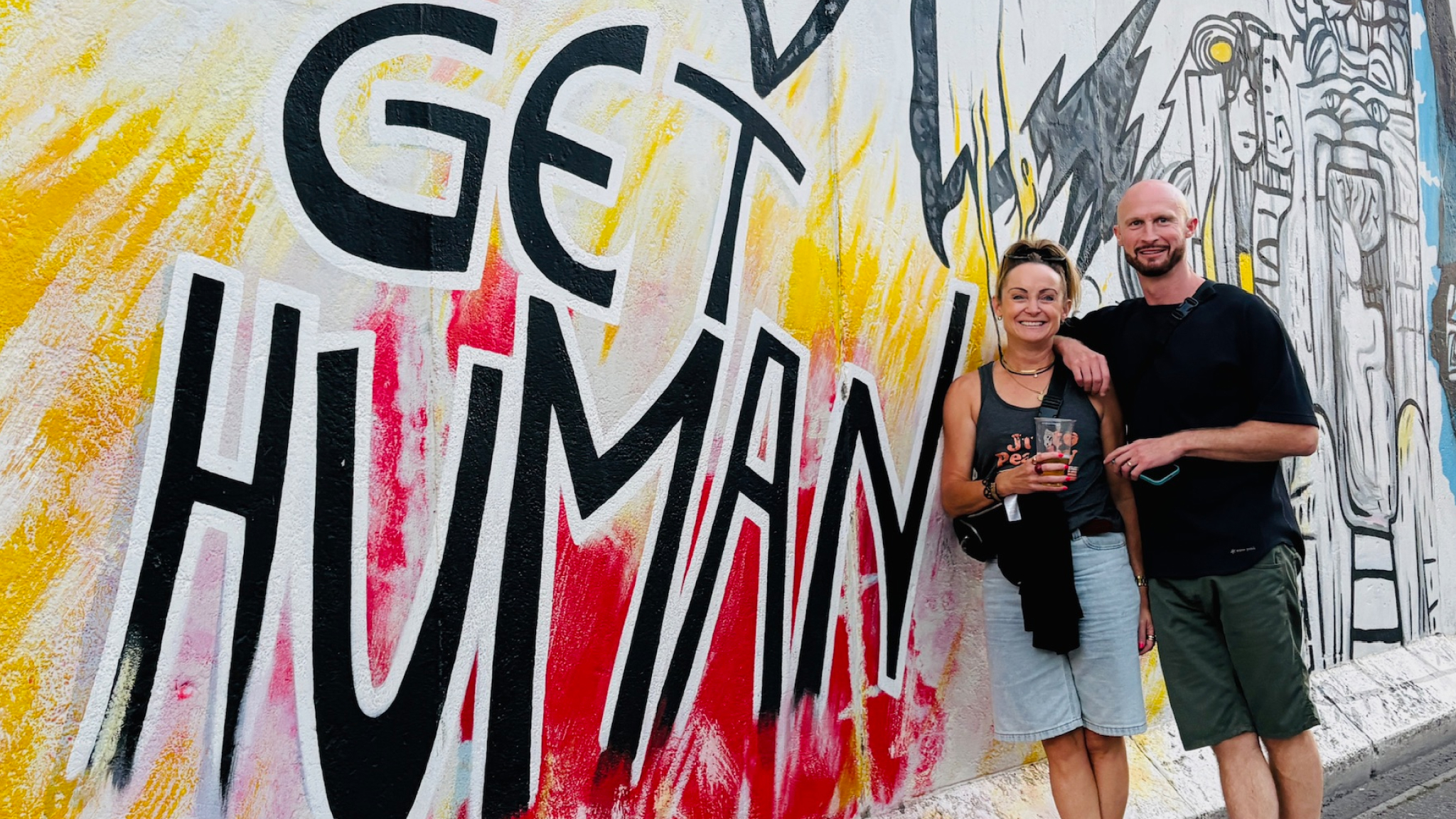
What if AI could help us become more human, rather than less?
I work in the creative industry, predominantly with financial advice and wealth management firms. On the surface, those two worlds can look very different. In reality, they have quite a lot in common.
Both involve large quantities of information, administration and repetitive production. Both are expected to communicate across an increasing number of channels. And both are exploring how AI might make their work faster and more efficient.
Most importantly, however, they are both built around people.
Financial advice is not simply about processing data or producing a suitability report. It means understanding someone’s ambitions, relationships, worries and priorities. It requires trust, empathy, experience and judgment, particularly when clients are facing the moments that matter most in their lives.
Creativity and brand building depend on many of the same qualities. Technology can generate words, images and hundreds of variations, but it cannot fully understand what makes a business distinctive. Nor can it reliably recognise the idea that will make someone stop, feel something and remember it.
I talk a lot about humanising brands and bringing the people behind a business to the forefront. This is especially important in financial advice, where people are not an incidental part of the brand. They are often the reason a client chooses one firm over another.
Your people are one of the few things a competitor cannot replicate. Showing their personalities, values and expertise builds trust, creates a genuine point of difference and gives clients a reason to connect with the business.
AI may help us tell those stories more efficiently, but it should never smooth away the personality that makes them worth telling. As more businesses gain access to the same technology, human difference will become more valuable, not less.